US$16,298 in ads. US$68,424 raised for a free grocery store.
The Store is a free grocery store in Nashville, founded by Brad Paisley and Kimberly Williams-Paisley, where families referred in a moment of crisis shop for what they need — with dignity, in a real store. Over twelve months of always-on Meta ads, the evergreen program returned $4.20 for every dollar spent and brought in 161 new monthly donors.
The Store is not a food pantry. It’s a full grocery store — produce, meat, dairy, a proper cart — where everything is free for families referred in a moment of crisis, for a year at a time, while they get back on their feet. The dignity of the shopping experience is the whole point.
The model works, and the demand proves it: there is a waiting list of families who qualify and can’t yet be served. Serving more of them means raising more money — reliably, every month, not only when a viral moment lands.
The pieces existed — a beloved brand, real stories, a FundraiseUp donation flow. They weren’t wired together: Meta couldn’t reliably see which ads produced donations, so the platform was optimizing blind and no one could prove what a dollar of ad spend was worth.
Tracking first. Before scaling a dollar, we rebuilt the measurement: dual browser pixels, a server-side GTM container on Stape, and FundraiseUp’s Conversions API feeding every donation back to Meta. When the platform can see revenue, it optimizes for revenue — and every number on this page becomes provable.
Then the message. Fundraising creative works when it’s concrete, so the ads are built around one idea: take a family off the waiting list. Not “support our mission” — a specific family, waiting for a specific call. The donation page carries the same promise all the way to the gift.
Monthly giving is the backbone. The Giving Table — The Store’s monthly donor community — gets its own creative lane, from love-letter reels to impact updates, because a family is served for a year, and recurring revenue is what a year of groceries can be planned around.
And the founders show up. The program’s best-performing ad is Brad on camera, explaining how the model works. When Taylor Swift and Travis Kelce made a headline-making donation, we shipped a campaign around taking in more families within days — email, Meta ads, creative — riding the moment instead of watching it pass.
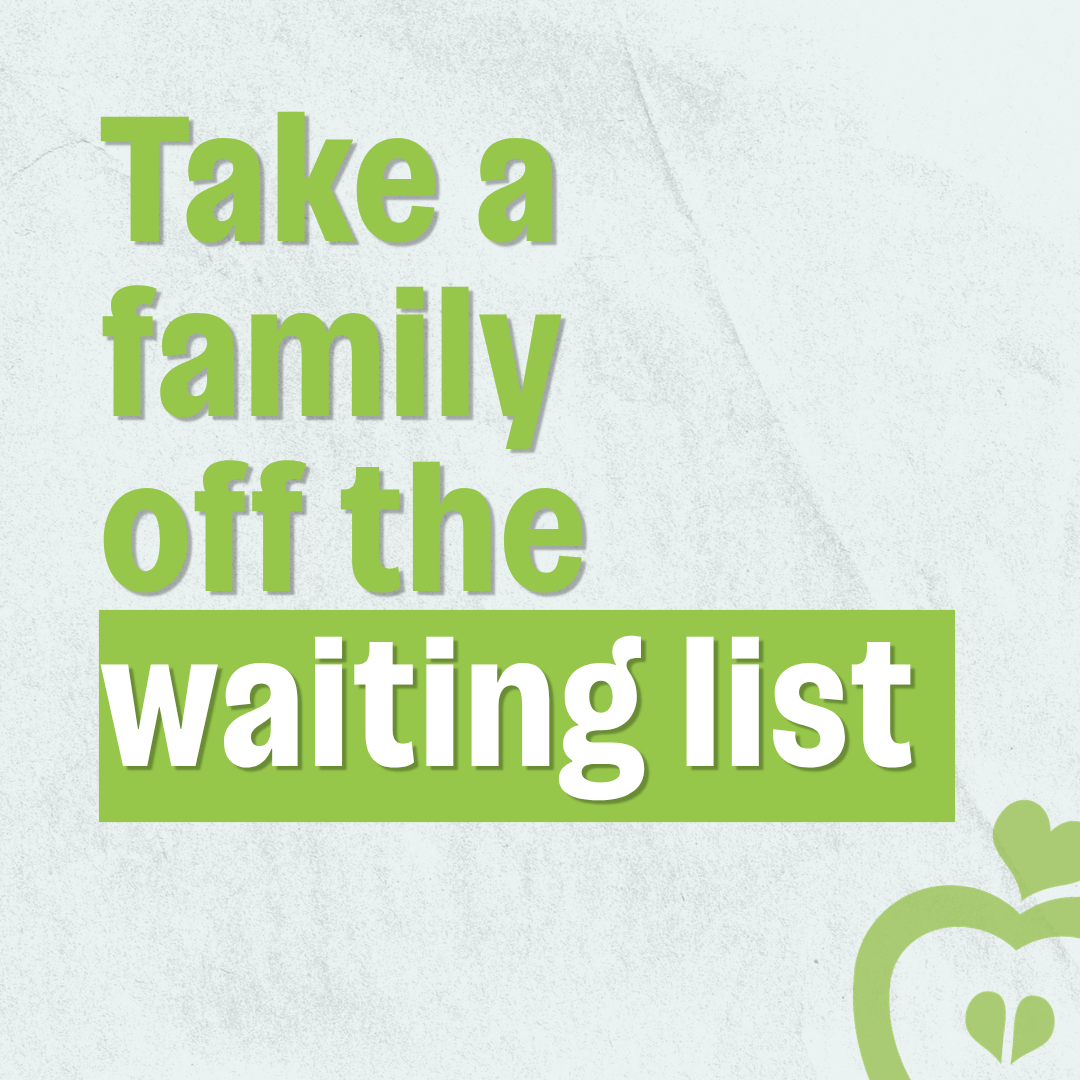
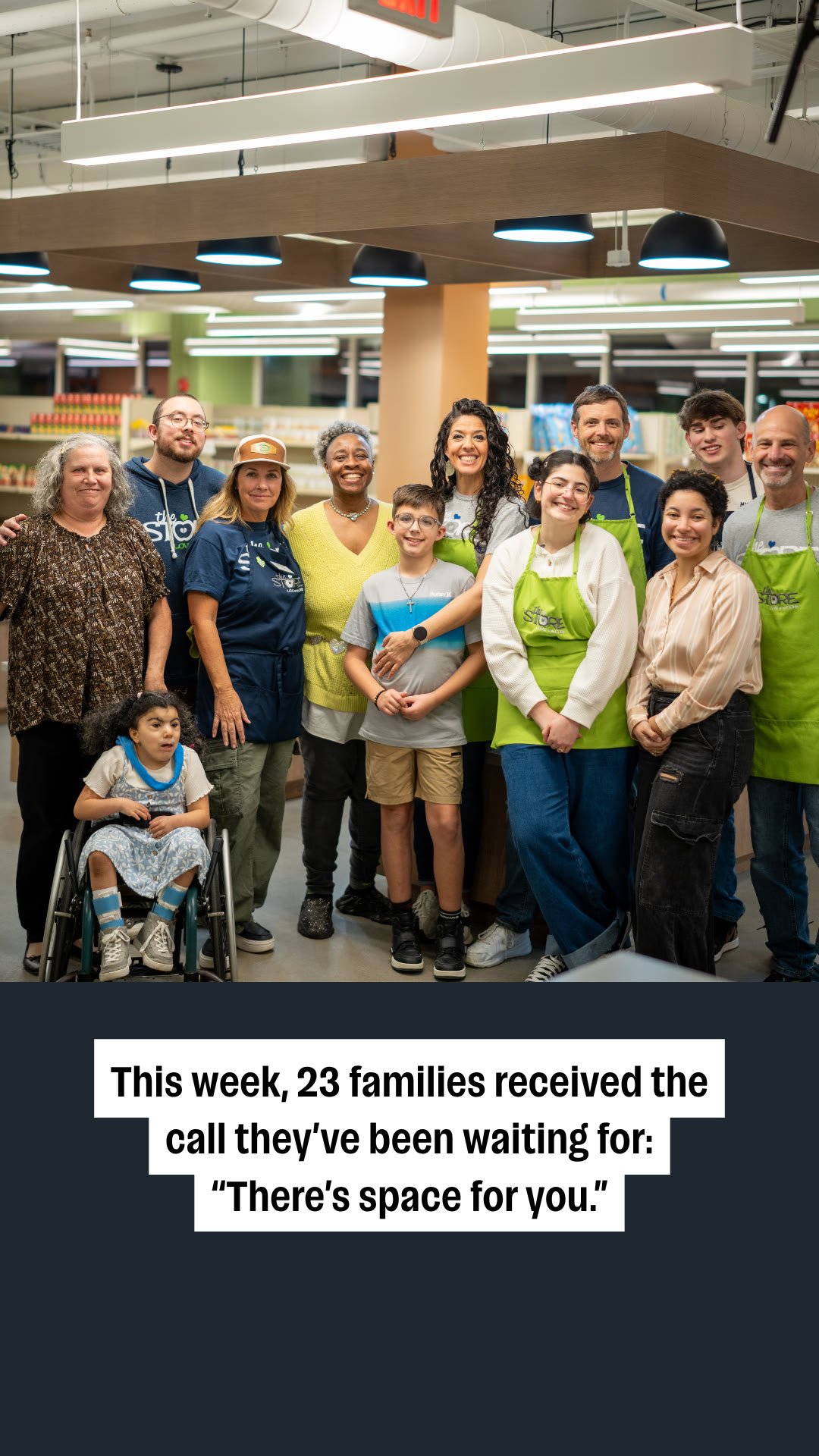
The ask, the payoff, and the reel: a concrete promise — take a family off the waiting list — and the moment 23 families got the call that there’s space for them.
Twelve months of evergreen campaigns turned US$16,298 of ad spend into US$68,424 raised — a 4.2x return, from three campaigns on a single platform.
That came from 710 donations at US$22.95 each in acquisition cost, against an average gift of about US$96. In plain terms: every twenty-three dollars spent produced a donation worth roughly four times as much.
The part that matters most doesn’t show up in a single month’s report. 161 of those donors joined The Giving Table as monthly givers, at US$101.23 in acquisition cost each. A monthly donor recouped in a few months keeps giving for years — which is exactly the revenue a store that commits to families for a full year can plan around.
And the campaigns did it while introducing The Store to 702,000 impressions’ worth of new people at a US$23 CPM and US$0.47 per click — national reach for a Nashville store, at local-radio prices.
The human version of those numbers: in one recent week of the campaign, 23 families received the call that there’s space for them. That’s what a 4.2x return buys.
Evergreen 2026 — three campaigns, Meta, September 2025 to August 2026. Revenue attributed through FundraiseUp and the Conversions API.
“There’s space for you.”The call 23 families received in a single week
Raising money for a mission like this?
Book a free discovery call