A year of always-on ads for a small e-commerce brand.
Papelmania is a Peruvian stationery brand. Over 12 months, I managed their entire paid media program — strategy, creative, landing pages, analytics — proving that the always-on approach works at any scale.
Before 2025, Papelmania's ad strategy was built around short bursts tied to calendar moments — Valentine's Day, Mother's Day, Christmas. The budget would spike, the pressure would mount, and then it was over. Every campaign felt like a gamble.
The problem wasn't the products or the brand — both were beautiful. The problem was the pattern: go dark for weeks, then scramble to sell in a 5-day window. There was no way to know which creative worked, which audiences converted, or whether the money was well spent. Each campaign started from zero.
Sales were inconsistent. Months without ads meant months without revenue. And without continuous data, there was no way to learn or improve — just hope that the next burst would perform better than the last.
I took on every hat: creative strategy, content production, technical setup, landing page optimization, budget management, and analytics. This is exactly the full-stack model I advocate for — tight, agile, and responsive.
Every month followed the same cycle: research what's trending, produce new ad creative, launch tests, read the data, kill what's not working, scale what is. Over 12 months, this compounding cycle meant the campaigns got smarter every single month.
We managed budget through seasonality — pulling back in quieter months like March, ramping up aggressively for Black Friday and the holiday season. The algorithm learned actual buyer behavior over time, making each dollar more efficient than the last.
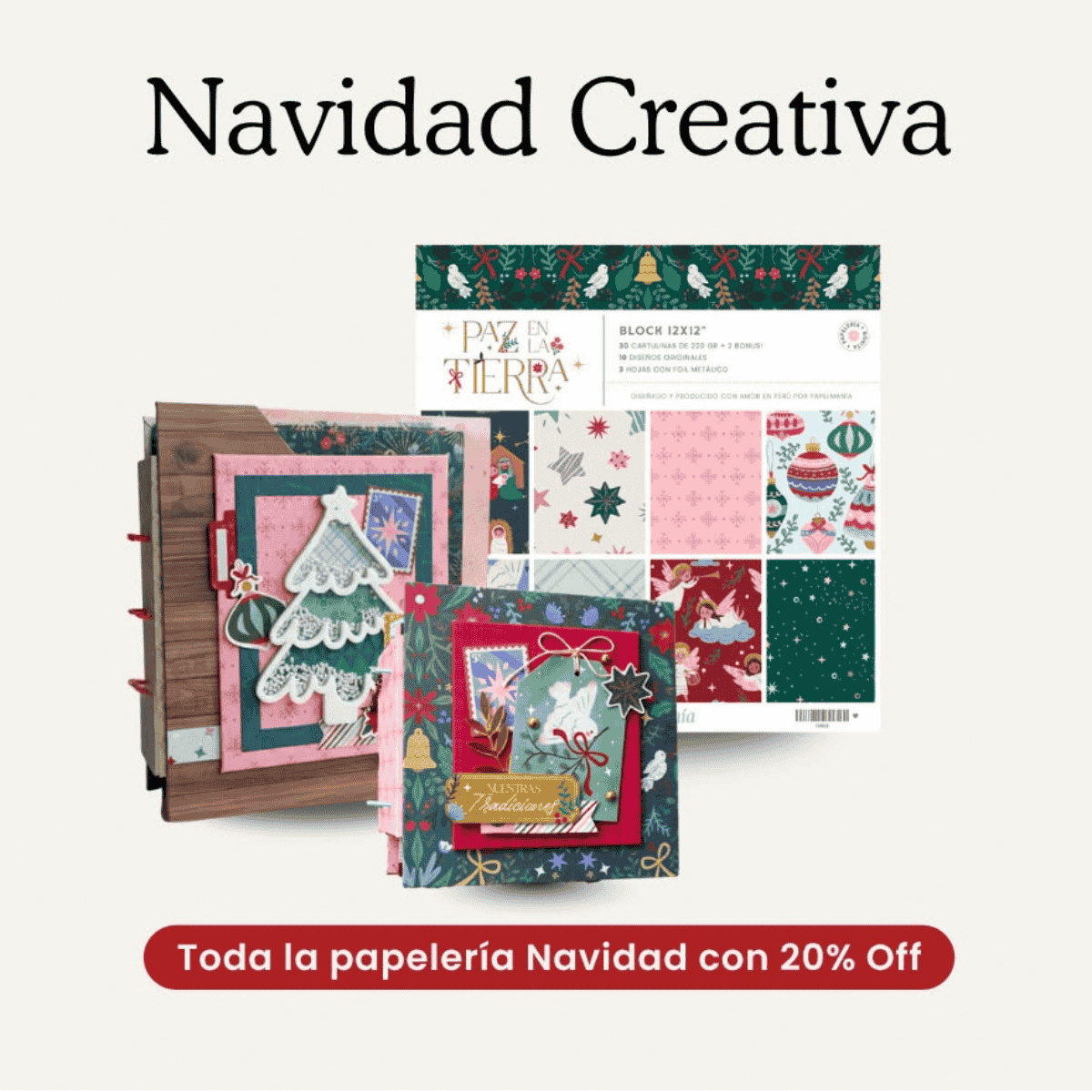
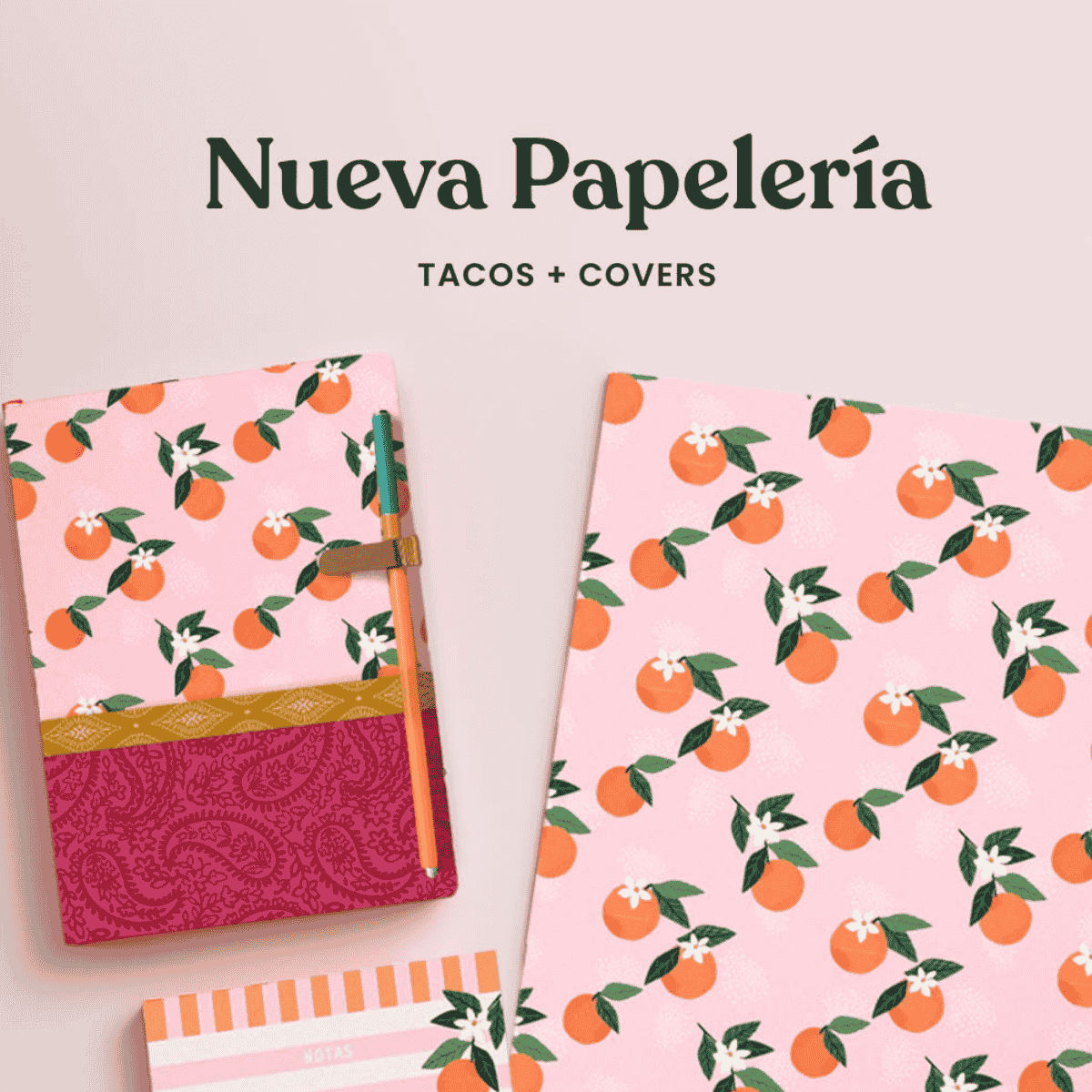
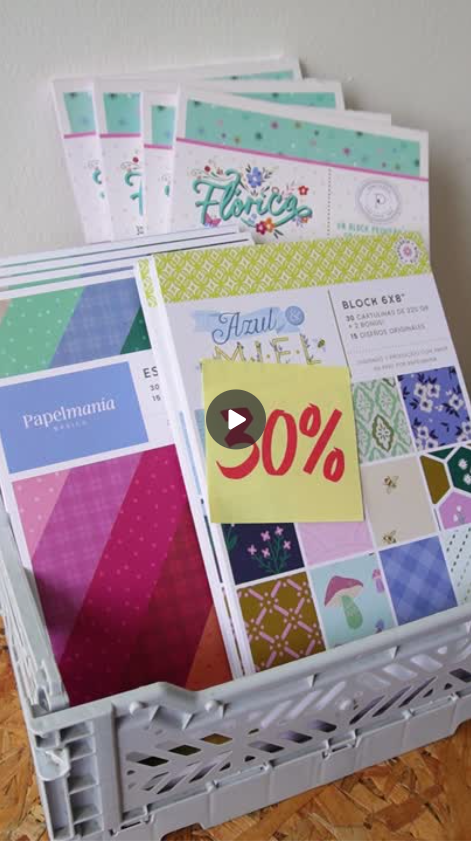
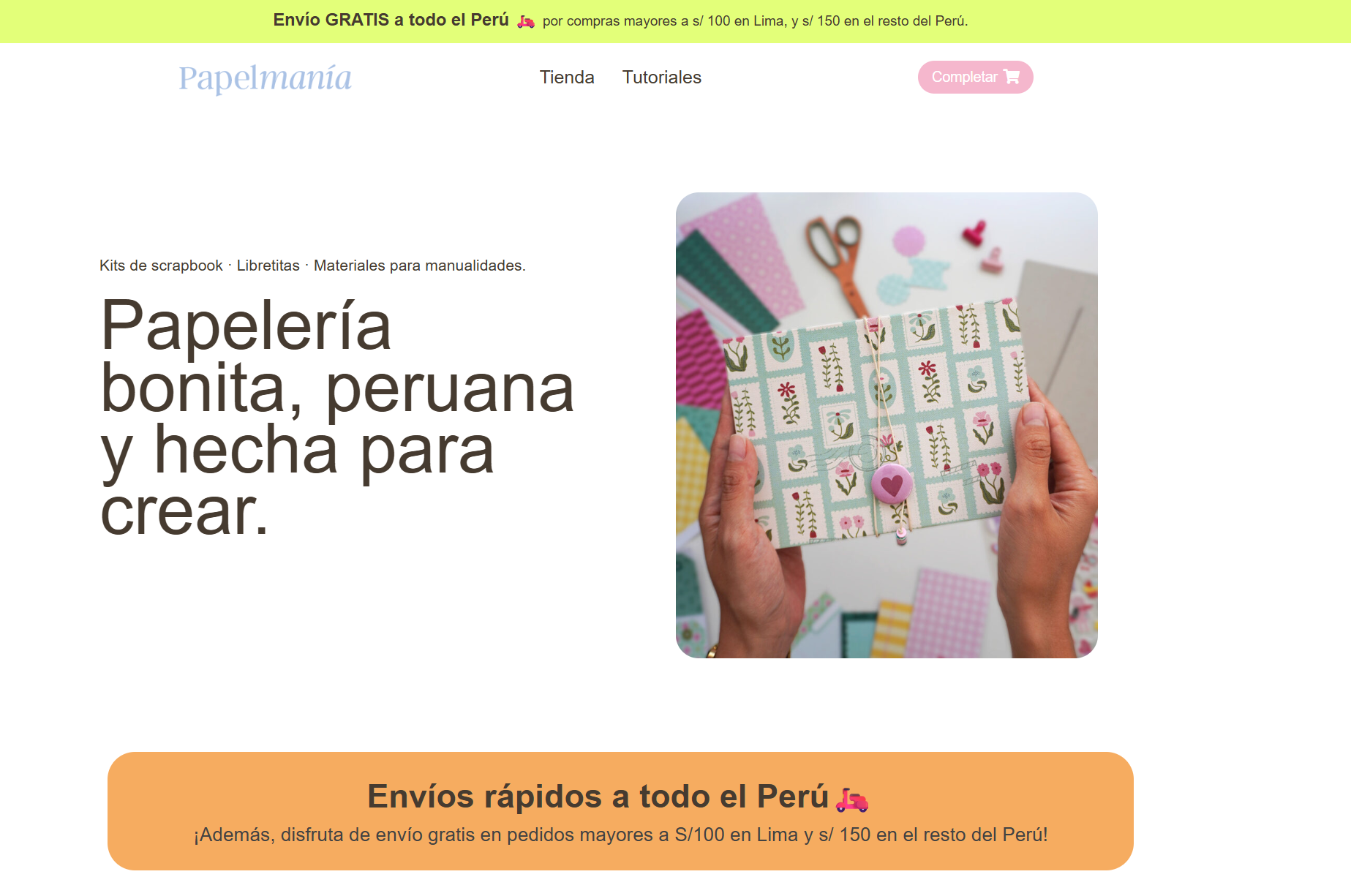
A selection from 12 months of creative testing — product launches, seasonal campaigns, story formats, and optimized landing pages.
Over 12 months, the campaigns delivered a 3.2x return on ad spend — with peak months reaching 7.6x. But the real story goes far beyond tracked purchases.
By month 5, we'd identified which creative angles performed best. By September, the algorithm had enough purchase data to optimize aggressively. November and December — traditionally the peak season — saw ROAS climb to 5.1x and 4.6x respectively, because we'd spent 10 months teaching the system what a Papelmania buyer looks like.
The always-on visibility didn't just drive sales. It nearly doubled the Instagram following (9K to 17K) and grew Facebook by 38% (16K to 22K) — the highest-growth year in the brand's history. And the brand awareness that came with reaching 449,000 people opened doors that ads alone can't measure: brand collaborations, event invitations, and custom project inquiries that would never have happened without consistent presence.
That's the power of always-on: the compounding effect of continuous learning. Each month's data made the next month smarter. The insights from ad testing fed back into product launches, content strategy, and the business itself.
The best month wasn't luck. It was the result of eleven months of learning.The Always-On Effect
Want results like these?
Book a free discovery call